A year-round flea and worm routine for UK dogs and cats

Short answer: fleas, ticks and worms are present in the UK all year, with flea numbers often peaking in autumn as homes warm up. Most of a flea population lives in the home rather than on the pet, so wash bedding hot and vacuum often. Pick up dog poo promptly, check for ticks after countryside walks, and keep toys and water bowls away from slugs. Ask your vet to plan a parasite-control routine that suits your pet’s lifestyle, and never use a dog product on a cat.
Parasites are an unglamorous part of pet care, but a sensible routine keeps your pet comfortable and protects your family too. Because the right products depend on species, age, weight, health and lifestyle, the choice of what to use belongs with your vet. This guide explains how the common parasites spread and what you can do around the home to keep numbers down. ArdentPets does not sell flea, tick or worming products.
Fleas: the problem is mostly in the house
Adult fleas on a pet are only a small part of the picture. Eggs fall off into carpets, sofas and bedding, where they develop into larvae and then pupae, which can sit waiting for weeks until vibration or warmth tells them a host is near. Central heating in autumn and winter suits them well. That is why an infestation can seem to return even after the pet looks clear.
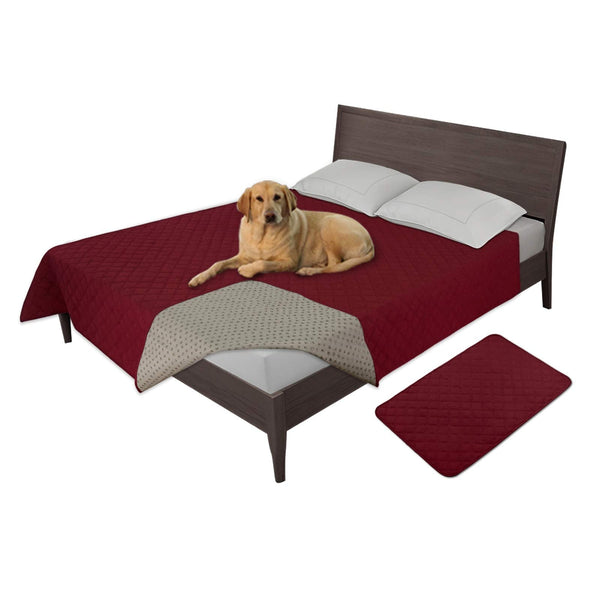
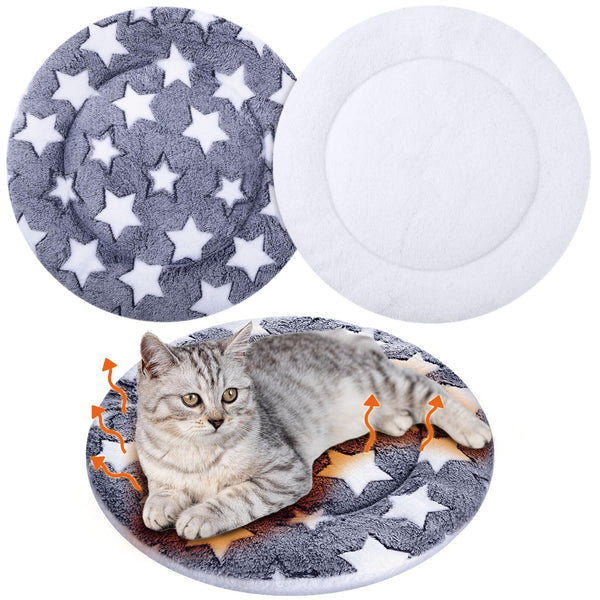
Around the home, vacuum carpets, sofas and pet resting places often, paying attention to edges and under furniture, and empty the vacuum outside straight away. Wash pet bedding on a hot wash regularly; removable covers from our dog bed covers range and washable throws from our cat blankets and mats range make that easier. Every pet in the household needs to be included in the routine your vet sets, because fleas move between them.
Signs of fleas include scratching, nibbling at the base of the tail and small dark specks in the coat that turn reddish-brown on damp white paper. Some pets react strongly to a single bite.
Ticks after countryside walks
Ticks live in long grass, bracken and woodland and are most active in spring and autumn, though they can be found all year. They can pass on infections, including Lyme disease, to pets and people. After walks, run your hands over your dog, especially the head, ears, armpits and between the toes, and check outdoor cats too. If you find one, remove it promptly with a purpose-made tick hook, twisting gently without squeezing the body, or ask your vet to show you how.
Worms: roundworm, tapeworm and lungworm
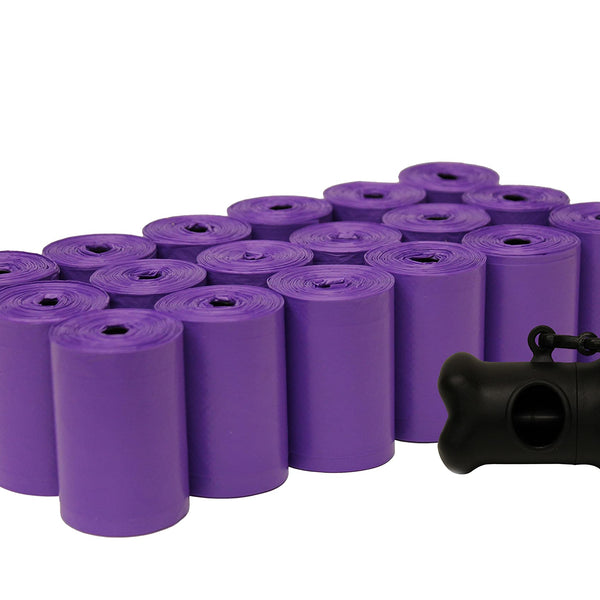
Roundworms are common in puppies and kittens, which can pick them up from their mother. Their eggs pass out in faeces and can survive in soil for a long time, which is one reason why picking up dog poo matters for public health, particularly where children play. Our dog poo bags and pooper scoopers make that quick and clean. In the garden, clear up daily rather than leaving it.
Tapeworms are often passed on when a pet swallows an infected flea while grooming, or when a cat or dog eats prey. Small rice-like segments around the bottom or in the bedding are a sign. Lungworm is spread by slugs and snails, and dogs can pick it up by eating them, chewing grass, or playing with toys and drinking from bowls left outside where slugs have been. Bring toys in at night, empty outdoor water bowls, and talk to your vet about whether your dog’s routine should cover lungworm.
For cats, scoop litter trays daily with one of our litter scoops and wash hands afterwards. Cover children’s sandpits so local cats do not use them.
Planning a routine with your vet
Under UK rules, some parasite products are prescription-only and others can be supplied by pharmacists or suitably qualified persons, known as SQPs. Your vet can recommend a plan based on whether your cat hunts, whether your dog eats slugs or swims, and who else lives in the home, including young children or anyone who is pregnant. Weigh your pet before each application if the product is weight-based, and keep a note of dates. Some products for dogs contain an ingredient that is highly toxic to cats, so never use a dog product on a cat, and after a dog has had a product applied, keep it apart from cats for the time stated on the label.
When to see the vet
Book an appointment if your pet is scratching constantly, has bald or sore patches, or has worms you can see. Lungworm can cause coughing, tiring easily, bleeding that will not stop, or changes in behaviour, so seek prompt advice for any of these. If a cat shows twitching, trembling or drooling after a parasite product has been applied, contact a vet immediately.
Quick checklist
- Agree a year-round parasite plan with your vet for every pet in the home.
- Vacuum often and empty the cylinder outside.
- Hot-wash pet bedding regularly.
- Check for ticks after walks through long grass or woodland.
- Pick up dog poo straight away and scoop litter daily.
- Bring toys and water bowls in at night to keep them slug-free.
Frequently asked questions
Why do fleas keep coming back?
Most fleas live in the home as eggs, larvae and pupae rather than on the pet. Pupae can wait for weeks before hatching. Regular vacuuming, hot-washing bedding and including every pet in your vet’s routine break the cycle.
Can people catch worms from pets?
Some pet roundworms can affect people, especially children who play in soil. Picking up dog poo promptly, scooping litter daily, washing hands after handling pets and following your vet’s parasite routine keep the risk low.
How do dogs get lungworm?
Dogs become infected by eating slugs or snails, or by eating grass, chewing toys or drinking from bowls where slugs have been. Bringing toys and bowls in at night helps, and your vet can advise whether your dog needs lungworm cover.
Can I use my dog’s flea product on my cat?
No. Some products made for dogs contain an ingredient that is highly toxic to cats. Only ever use a product that is made for the species and weight of your pet, as your vet or pharmacist advises.
Where to go next
For a wider cleaning routine, read cleaning kennels, hutches and cages. Puppies and kittens start their parasite routine early, as our guides to a puppy’s first weeks and bringing a kitten home explain. Browse the dog and cat departments, or shop by pet.