Caring for an older dog or cat: comfort, routine and vet checks

Short answer: many dogs are considered senior from around seven or eight, earlier in giant breeds, and cats from around eleven. Watch for changes in weight, thirst, appetite, mobility, toilet habits and behaviour, and book a vet check at least every six months. At home, provide warm, draught-free beds, ramps or steps to favourite spots, non-slip floors, regular nail trims and a steady routine.
Older pets have a lot to offer, and with a few adjustments most enjoy their later years in comfort. Ageing is gradual, so changes are easy to miss when you see your pet every day. This guide covers what to watch for, small changes at home that make a big difference and how to work with your vet.
When does a pet become senior?
There is no single date. Small dogs often stay young at heart well into double figures, while giant breeds may be considered senior from five or six. For cats, International Cat Care describes cats as senior from around eleven and super-senior from fifteen. Rather than focusing on a number, look at how your pet is moving, eating and behaving compared with a year ago.
Changes worth noting
- Drinking or urinating more than usual.
- Weight loss or weight gain without a change in diet.
- Stiffness after rest, reluctance to jump, climb stairs or go for walks.
- Bad breath, dropping food or chewing on one side.
- Confusion, night-time waking, staring or getting stuck behind furniture.
- Toilet accidents, new lumps, or changes in coat and skin.
Weighing your pet monthly and jotting down anything new gives your vet a clear picture. Many of these changes have causes that can be managed, so they are worth raising rather than putting down to age.
Comfort around the home
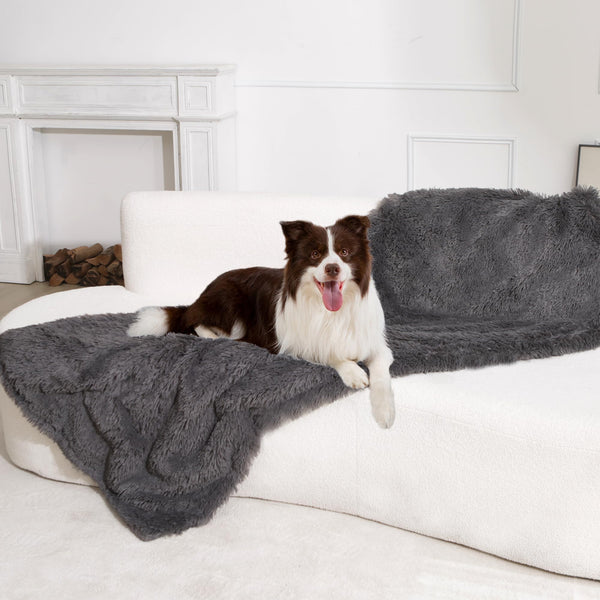
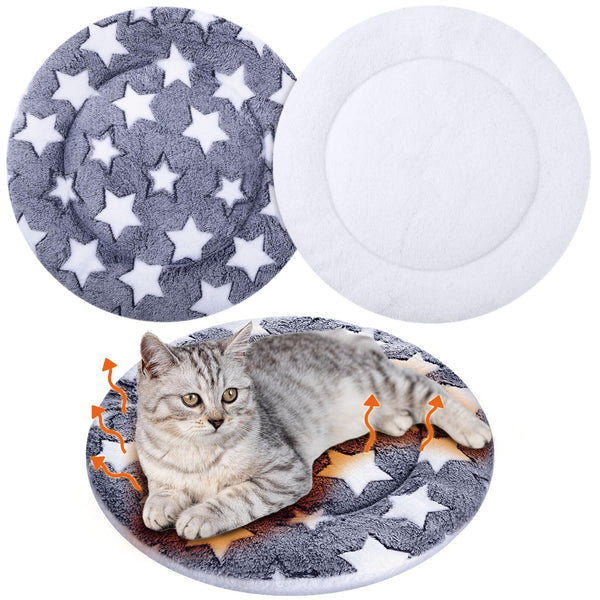
Older pets often feel the cold more and sleep for longer. Give them a deep, supportive bed in a draught-free spot, with a washable layer on top from our dog blankets or cat blankets and mats ranges. Rugs or runners on slippery floors help stiff legs find their grip.
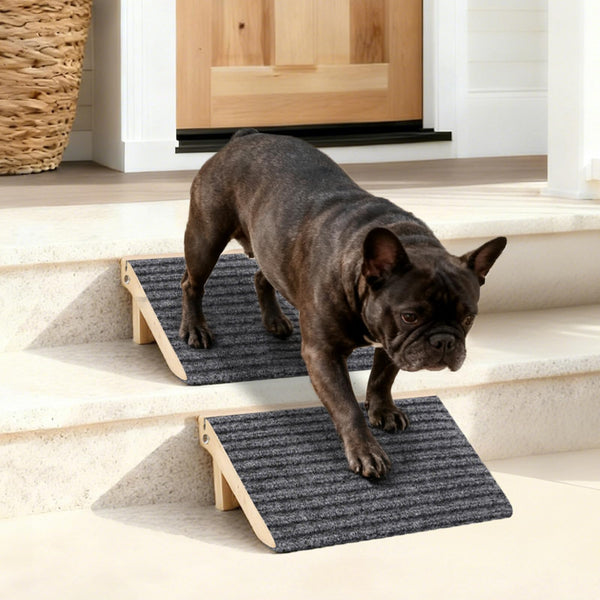
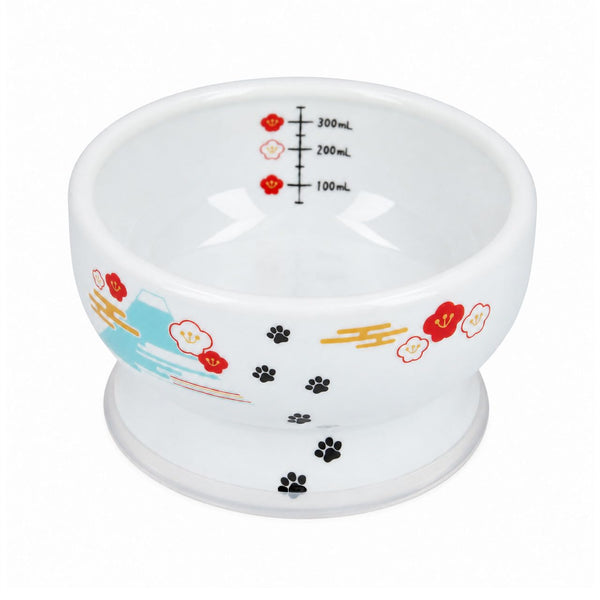
A dog that hesitates at the car boot or the sofa may welcome one of our dog ramps, which give a gentle slope instead of a jump. Older cats often keep wanting their favourite windowsill or bed, and pet stairs from our cat steps range let them reach it safely. For cats that find crouching uncomfortable, a slightly raised dish from our raised cat bowls can make mealtimes easier, and a litter tray with one low side helps too.
Grooming and nails
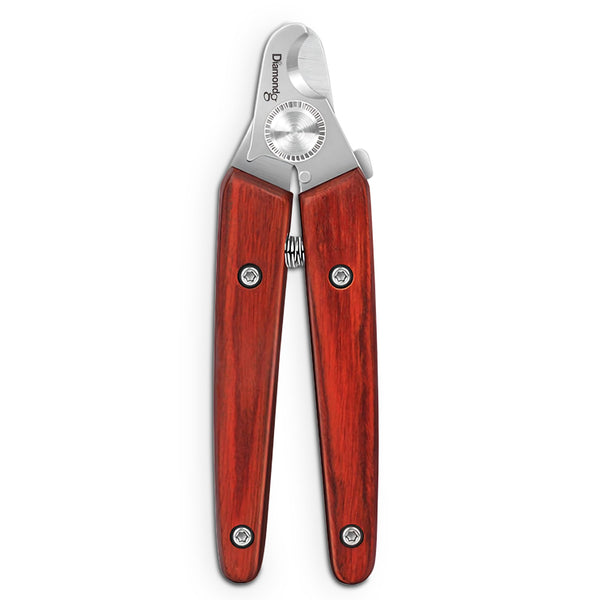
Less active pets wear their claws down less, and older cats’ claws can thicken and grow round into the pad. Check nails every couple of weeks and trim little and often, using clippers from our dog nail care or cat nail care ranges, or ask your vet or groomer to help. Older cats may also groom less thoroughly, so gentle brushing keeps the coat comfortable and gives you a chance to feel for lumps.
Routine, exercise and the mind
Most older pets are happiest with a predictable day. Keep feeding times, walks and bedtime regular, and introduce any changes slowly over a week or two. Dogs usually do better on shorter, more frequent walks than one long outing, with gentle sniffing walks to keep the mind busy. For cats, short play sessions with a slow-moving toy keep them engaged. If your pet’s sight or hearing is fading, keep furniture in the same place, approach so they can see or feel you coming, and use touch or hand signals.
When to call the vet
Book a senior health check at least every six months, as many practices suggest. Make an earlier appointment for any of the changes listed above, and contact your vet promptly for sudden weakness, collapse, breathing difficulty, not eating for more than a day, repeated vomiting or straining to pass urine. If your pet is stiff or slow, speak to your vet before giving anything, and never give human medicines, as some are poisonous to dogs and cats.
Quick checklist
- Book vet checks every six months and weigh your pet monthly.
- Note changes in thirst, appetite, toilet habits and behaviour.
- Offer warm, supportive beds out of draughts.
- Add ramps, steps and non-slip rugs where needed.
- Trim nails little and often.
- Keep routines steady and walks shorter but more frequent.
Frequently asked questions
At what age is a dog considered senior?
Many dogs are thought of as senior from around seven or eight, but giant breeds age faster and small breeds more slowly. How your dog is moving and behaving matters more than the exact number.
How often should an older pet see the vet?
Many practices suggest a check at least every six months for older pets, as changes can develop quickly. Some offer senior clinics run by vet nurses, which are a good opportunity to weigh your pet and ask questions.
My old dog is drinking more. Should I worry?
Increased thirst can be a sign of several conditions that are common in older dogs and cats, so it is worth a vet check. Measuring how much water your pet drinks over a day can be helpful information for your vet.
Is it normal for an older cat to stop grooming?
Older cats sometimes groom less because bending and twisting have become uncomfortable, or because of dental soreness. Help with gentle brushing, and mention it to your vet so the cause can be checked.
Where to go next
Weight has a big effect on comfort in later life, so keeping weight in check is worth reading next. When tablets or eye drops become part of the routine, see giving a dog or cat tablets and liquids. Beds, ramps and nail clippers are in our dog department and cat department; shop by pet lists everything else.