Giving a dog or cat tablets, liquids and drops: calm techniques

Short answer: follow your vet’s instructions exactly, and ask them to demonstrate if you are unsure. Many dogs take tablets hidden in a small piece of soft food; many cats are easier to manage wrapped loosely in a towel. Give liquids slowly into the cheek pouch, approach eyes and ears calmly from behind, and reward afterwards. Never give human medicines to pets, and never crush or split a tablet unless your vet says it is suitable.
Giving medicine can be stressful for both of you, especially with a cat that has learned what the bottle means. A calm, practised technique and a reward at the end make a big difference. This guide covers the main methods, when not to hide medicine in food, and the rules around veterinary prescriptions in the UK. ArdentPets does not sell veterinary medicines.
Before you start
Read the label and the instructions from your vet: when to give it, whether with food or on an empty stomach, and how long the course lasts. Finish the full course even if your pet seems better, unless your vet tells you otherwise. Get everything ready before you fetch your pet, choose a quiet room, and stay calm and matter-of-fact. Ask the practice to show you the technique; vet nurses do this every day and are glad to help. If you are going in for a demonstration, a secure cat carrier with a familiar blanket inside keeps the trip calm.
Tablets for dogs
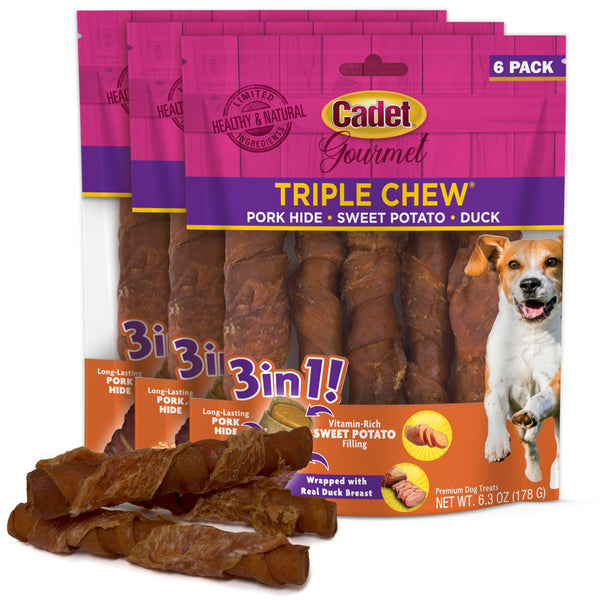
Many dogs take a tablet happily hidden in a small piece of soft food, such as a sliver of cheese or a little wet food, as long as your vet confirms that the tablet can be given with food. Give one empty treat first, then the one with the tablet, then another empty one straight away, so your dog swallows without inspecting. A soft, chewy piece from our dog treats range can often be moulded around a small tablet. Watch to make sure it has gone down, and check the floor and bed later.
If your dog spits it out, place the tablet directly: hold the upper jaw gently, tilt the head up slightly, open the lower jaw and pop the tablet at the back of the tongue, then close the mouth and stroke the throat until your dog swallows. Follow with a little water or food and plenty of praise.
Tablets for cats
Cats are often wise to hidden tablets, but some will take one in a small amount of strong-smelling food. A soft treat from our soft cat treats range or a lick of something from our lickable cat treats range immediately afterwards helps it go down. If you need to give it directly, wrap your cat loosely in a towel with only the head showing, kneel with the cat between your knees facing away from you, tilt the head back gently and drop the tablet onto the back of the tongue. A pill giver, a plastic plunger that places the tablet without putting your fingers in the mouth, makes this easier for many owners. Always follow a dry tablet with a little water or wet food so it does not stick in the gullet.
Liquids, eye drops and ear drops
For liquid medicine, use the syringe supplied, slip the tip into the gap at the side of the mouth behind the canine tooth, and squeeze slowly so your pet has time to swallow. Do not squirt straight down the throat. For eye drops, steady the head from behind, rest your hand on the head, pull the lower lid down gently and let the drop fall without touching the eye with the bottle. Afterwards, a favourite toy or a few minutes of play gives your pet a reward that has nothing to do with food. For ear drops, hold the ear flap up, apply as directed, then massage the base of the ear gently. If your pet is likely to scratch or rub afterwards, your vet may suggest one of our dog recovery cones or cat recovery collars for a short time.
Prescriptions and safety in the UK
Veterinary medicines in the UK are regulated by the Veterinary Medicines Directorate. Many are prescription-only and can only be supplied after your vet has examined your pet. You can ask your vet for a written prescription to use with another supplier, though the practice may charge for it. Always use the product exactly as prescribed for the animal it was prescribed for, and store medicines safely away from children and pets.
Never give your pet human medicines, including common painkillers, which can be poisonous to dogs and cats even in small amounts. If you think your pet has had an unexpected reaction to a veterinary medicine, tell your vet; owners can also report suspected reactions directly to the Veterinary Medicines Directorate.
When to ring your vet
Phone the practice if you cannot give the medicine as prescribed, if your pet vomits soon after a dose, if you miss a dose, or if you notice any reaction such as vomiting, diarrhoea, drooling, swelling or unusual behaviour. If a pet has swallowed human medicine or another animal’s prescription, call a vet immediately.
Quick checklist
- Read the instructions and ask the practice to demonstrate.
- Check with your vet before hiding a tablet in food.
- Prepare everything first and work in a quiet room.
- Follow dry tablets with water or wet food, especially for cats.
- Finish the course unless your vet advises otherwise.
- Never give human medicines to pets.
Frequently asked questions
Can I crush my pet’s tablet into food?
Only if your vet says that particular tablet is suitable. Some tablets have coatings or slow-release designs that should not be broken, and some taste bitter enough to put pets off their food.
My cat foams at the mouth after a tablet. Is that normal?
Some cats drool or foam briefly after tasting a bitter tablet. It usually settles quickly, but tell your vet, who may be able to suggest a different form such as a liquid or a flavoured option.
Do I need a prescription from my vet to buy medicine online?
For prescription-only veterinary medicines, yes. Your vet must examine your pet and can provide a written prescription for an online pharmacy, for which the practice may charge a fee.
What if I miss a dose?
Check the instructions or call your vet, as the right step depends on the medicine. Never give a double dose to catch up.
Where to go next
Older pets are often the ones on daily medication, so our guide to caring for an older dog or cat is a helpful companion. For parasite protection, see a year-round flea and worm routine. Treats that help a tablet go down are in our cat and dog food and treat ranges, and shop by pet brings every species together.