The muddy-walk routine: from field to front door

Short answer: think of a wet walk in four stages. Before you go, put on boots if paths are rough or salted. At the car, use a seat cover or boot liner. At the door, wipe paws and legs, then put on a towelling drying coat while your dog settles on an absorbent mat. Once a week, or after a really muddy outing, give a proper rinse with a shower attachment, and keep washable covers on beds and sofas, plus an enzyme cleaner for accidents.
From October to April, much of Britain is wet underfoot, and the clocks going back at the end of October means many walks happen in the half-light. Dogs do not mind mud at all; the challenge is getting it to stay outside. This guide follows a walk from the field back to the sofa.
Heading out: paws and the rules of the countryside
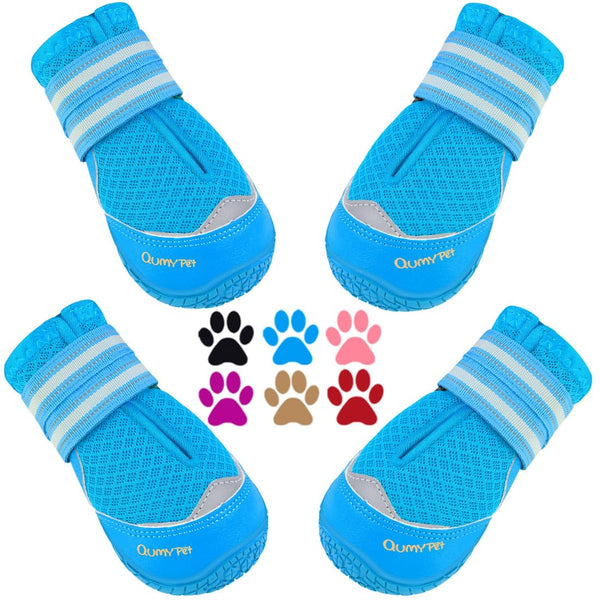
Most dogs need nothing on their feet, but boots help on flinty tracks, icy pavements and gritted roads. Measure paw width with your dog standing, since weight spreads the pad. Expect a few comical high-stepping minutes the first time. Browse our dog boots and shoes.
A note for country walks: on open access land in England, dogs must be on a lead of no more than 2 metres between 1 March and 31 July and at any time near livestock, and the Countryside Code asks you to keep your dog on a lead around farm animals and horses. Muddy fields often hold sheep or cattle in winter too, so keep a lead in your pocket.
At the car: protect the seats and boot
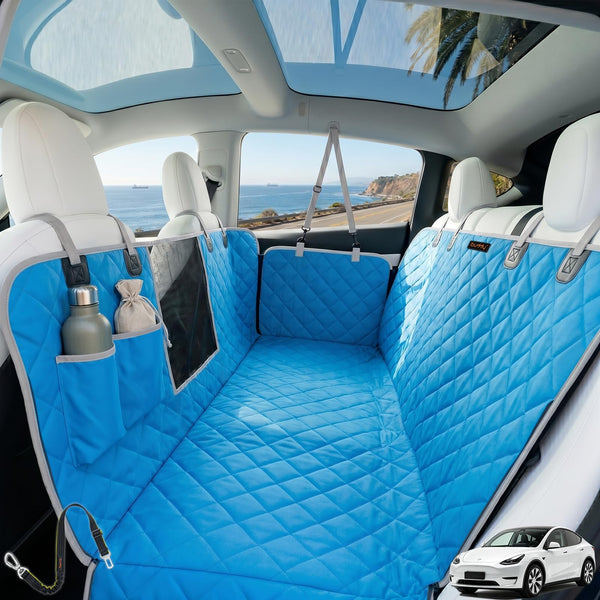
A waterproof seat cover or boot liner saves upholstery and makes the drive home less fraught. Hammock-style covers clip to both headrests and stop a dog dropping into the footwell; boot liners with a bumper flap protect the paintwork as your dog jumps in. Remember Rule 57 of the Highway Code: dogs should be suitably restrained in a vehicle. Our dog car seat covers include hammock-style covers from Active Pets.
At the door: wipe, wrap and wait
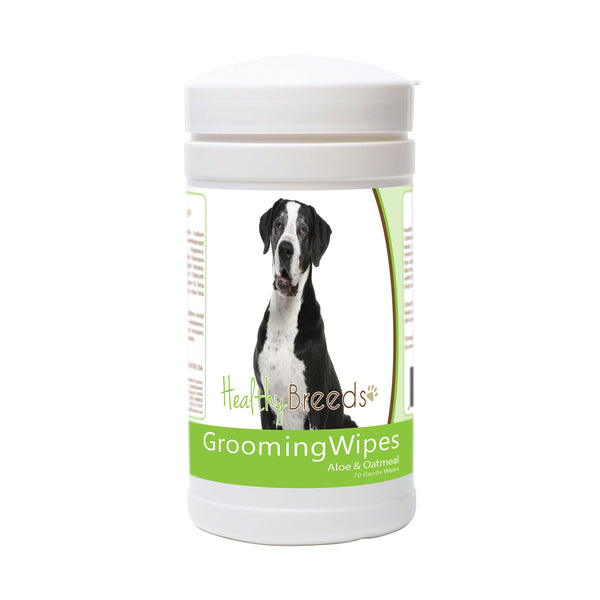
Keep a small kit by the back door: a bowl of lukewarm water, a towel and a pack of wipes. Lift each paw, rinse or wipe between the pads, then do the legs and belly. Wipes are quick for light mud and for road grit; choose unscented ones for dogs that lick their paws. See our dog wipes.
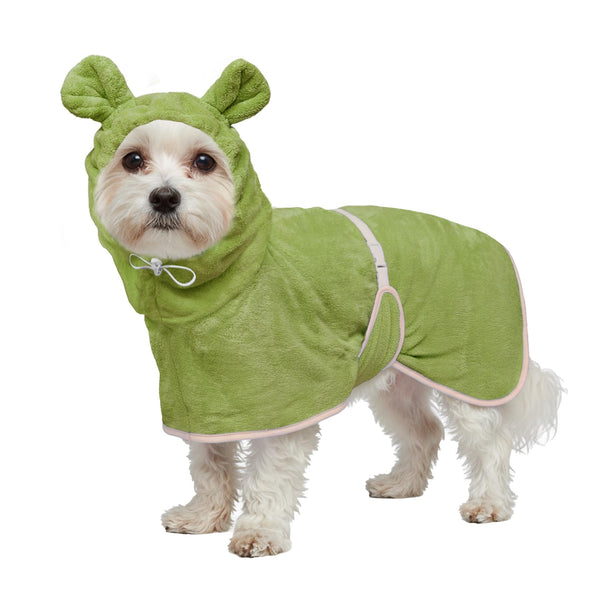
Then wrap your dog in a drying coat. These towelling or microfibre robes fasten round the chest and belly and soak up water from the coat while your dog dries off, which saves a lot of shaking against the kitchen cupboards. They also suit dogs coming out of the sea or a river. Browse our dog drying coats and robes.
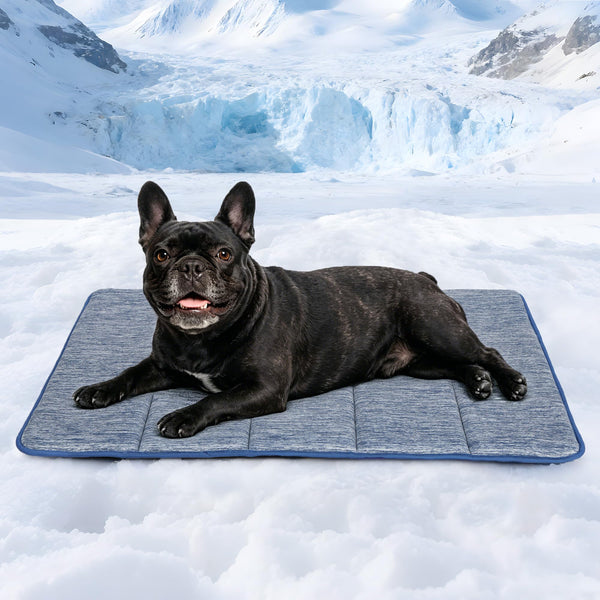
A thick, absorbent mat inside the door gives your dog somewhere to stand and settle while it dries. Look for a rubber backing that grips tiles, and a size that fits your dog lying down. Our dog mats and crate mats include absorbent doormats from ZAKAPAWS.
Once a week: a proper rinse
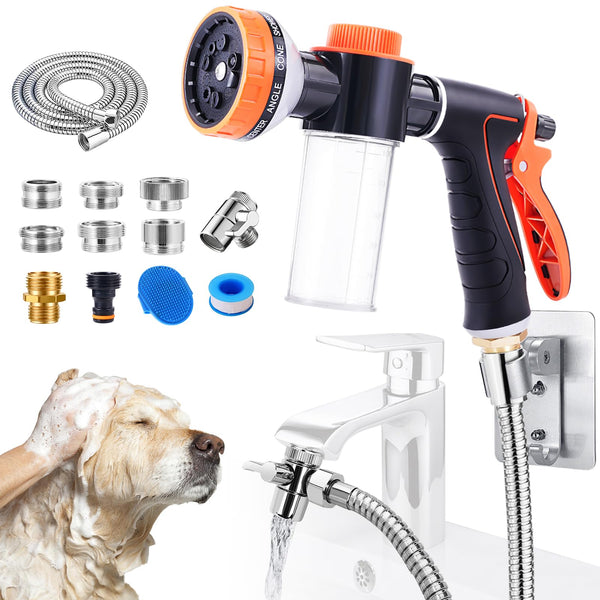
Most mud brushes out once it is dry, but after a particularly boggy walk a rinse is quicker. A shower attachment that fits your bath or outdoor tap makes this easier than a jug, and a lukewarm rinse is kinder in winter. Use a shampoo made for dogs only when needed; plain water is often enough. See our dog baths and shower attachments.
Indoors: beds, sofas and accidents
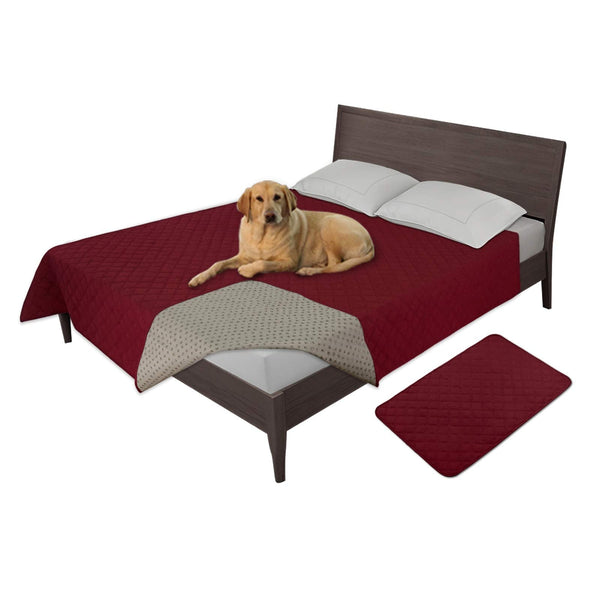
Even a well-wiped dog brings some of the walk indoors. A washable cover on the sofa or over the dog bed takes the brunt and can be machine washed at 30 or 40 °C. Measure the seat width and depth of your sofa before ordering. Browse our dog bed covers and sofa protectors.
For muddy paw prints on carpet, let the mud dry and vacuum it before you do anything wet. For accidents, an enzyme-based cleaner breaks down the organic residue that ordinary detergents leave behind, which discourages a dog from returning to the same spot. Always test on a hidden patch first. See our dog stain and odour removers.
How to choose: before you order
- Measure paw width standing up before ordering boots.
- Fit a seat cover or boot liner and restrain your dog in the car.
- Keep water, a towel and wipes by the door.
- Choose a drying coat by chest girth and back length, like any coat.
- Put an absorbent, non-slip mat where your dog waits to dry.
- Use washable covers on beds and sofas and an enzyme cleaner for accidents.
Frequently asked questions
Should I bath my dog after every muddy walk?
Usually not. Frequent shampooing can dry out the skin and coat. Rinse or wipe the legs and belly, let the rest of the mud dry and brush it out, and save a full wash for when your dog is really dirty or smelly.
How do I size a drying coat?
Measure back length and chest girth as you would for any coat. A drying coat should cover the back and wrap well under the chest and belly, where most water collects.
Do dogs need to be on a lead in the countryside?
On open access land in England, dogs must be on a lead no longer than 2 metres from 1 March to 31 July and whenever they are near livestock. Elsewhere, follow local signs and the Countryside Code, which asks for a lead around farm animals and horses.
How do I get mud out of a carpet?
Let it dry completely, break it up gently and vacuum. Tackle any mark that remains with a carpet cleaner, testing a hidden area first. Rubbing wet mud spreads it.
Where to go next
See our whole muddy walks edit, the dog department, or our two hubs, shop by pet and shop by need. For coats and jumpers, our guide to measuring your dog for a coat walks through sizing. There is no charge for UK delivery, and sending something back costs nothing for 30 days; the steps are listed under delivery and returns.