Helping a dog or cat keep a healthy weight

Short answer: you should be able to feel your pet’s ribs easily under a thin layer of fat and see a waist from above. Weigh food with kitchen scales rather than scooping, count treats as part of the daily allowance, and add play and walks. If your pet needs to slim down, ask your vet for a target weight and a plan, and never put a cat on a crash diet.
Carrying extra weight is one of the most common health concerns vets see in dogs and cats in the UK, and it creeps up so gradually that many owners do not notice. A heavier pet is more likely to find moving uncomfortable and to develop a range of other health problems, and it may not live as long. The good news is that small, steady changes at home make a real difference.
Checking your pet’s shape at home
Vets use a body condition score, and you can do a simple version yourself. Run your hands along your pet’s sides with light pressure. You should feel each rib without pressing hard, much as you feel your knuckles through the back of your hand. Look down from above: there should be a visible waist behind the ribs. From the side, the belly should tuck up towards the back legs rather than hang level or sag. In cats, a small pouch of loose skin under the belly is normal, but a firm, rounded belly is not.
Take a photo from above and the side every month, and weigh your pet regularly. Many practices will let you use their scales between appointments.
Measuring food properly
Scoops and cups are surprisingly inaccurate, and small daily over-portions add up over a year. Work out the daily amount with your vet, especially for cats, as feeding straight to the ideal-weight amount on the pack can be too sharp a cut; then weigh it on digital kitchen scales. Splitting the daily ration into two or more meals helps many pets feel satisfied. Keep dry food sealed in a container from our dog food storage range, with the scales close by so weighing becomes a habit.
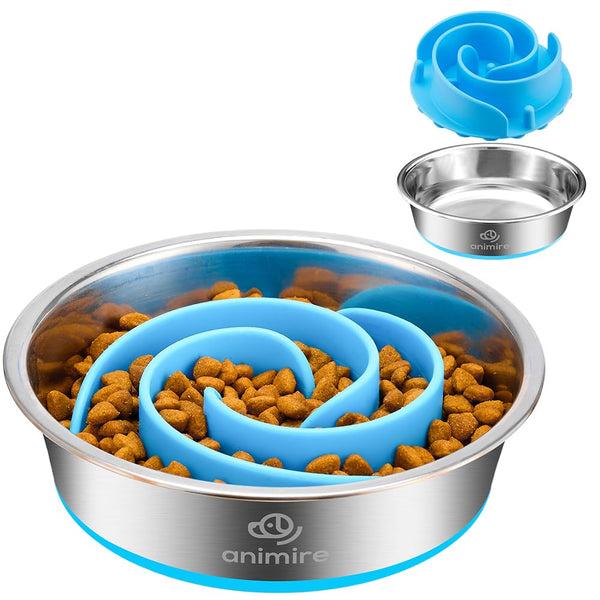
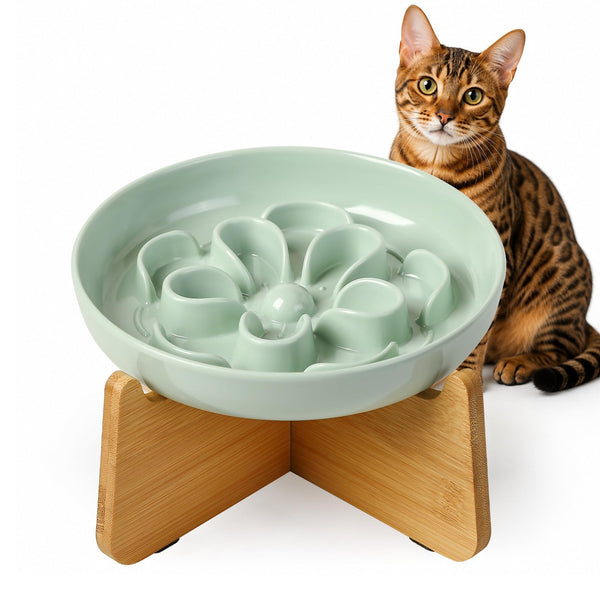
Slow feeders make a meal last longer and turn eating into a small puzzle. Our slow-feeder dog bowls and slow-feeder cat bowls have ridges and mazes that stop fast eaters bolting. Scatter feeding part of the dry ration on the lawn, or hiding it around the house for a cat, uses natural foraging instincts too.
Treats, scraps and the whole household
Treats count. Vets often suggest keeping them to no more than about a tenth of the daily food, and taking that amount out of the main meals. Break treats into tiny pieces, use some of the daily kibble as training rewards, and offer non-food rewards such as a game or a fuss. Agree the rules with everyone in the house, including grandparents and visitors, because one person slipping toast crusts under the table can undo the whole plan. Watch out for food from neighbours too: many cats have more than one feeding station on the street.
More movement, in ways your pet enjoys
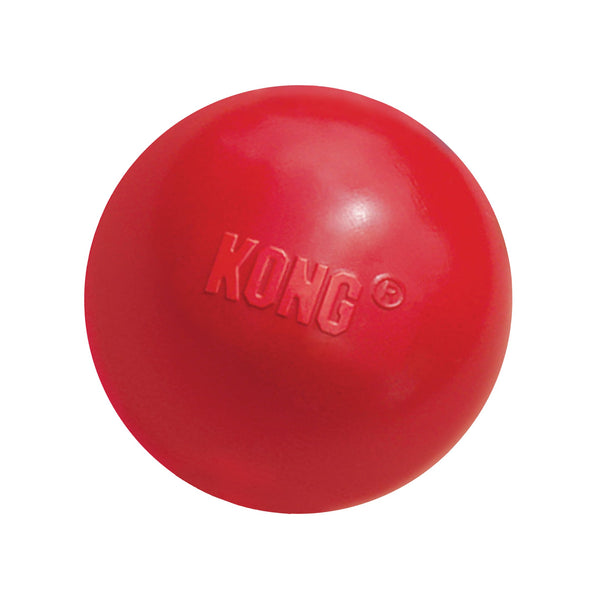
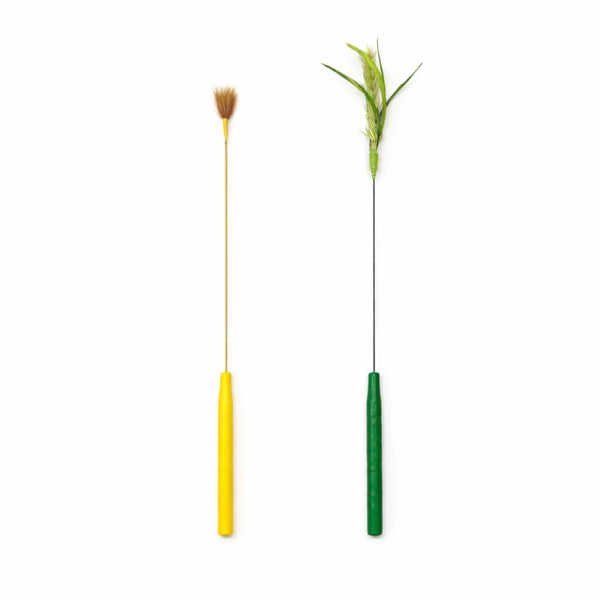
For dogs, add an extra short walk or a game of fetch rather than suddenly doubling the distance. A tennis-sized toy from our dog balls range makes short bursts of exercise in the garden or park easy. Swimming and walking uphill are good options for heavier dogs, once your vet is happy. For cats, two or three short play sessions a day make a difference. Wand toys from our cat feather wands range let you mimic a bird or mouse, and other interactive cat toys encourage chasing and pouncing indoors.
Working with your vet
Many practices run nurse-led weight clinics, which offer regular weigh-ins and adjust the plan as your pet progresses. Your vet can set a realistic target and rate of change, rule out medical causes of weight gain, and suggest a specific diet if needed. Slow and steady is the aim. Cats in particular must never be starved or have their food cut sharply, as a cat that stops eating can become seriously ill within days.
When to call the vet
Ask for a check before starting any weight plan, and contact your vet if your pet gains or loses weight without an obvious reason, seems hungry all the time, drinks more than usual, or tires quickly on walks. A cat that has gone off its food for more than a day needs prompt attention.
Quick checklist
- Feel for ribs and look for a waist once a month.
- Weigh food on kitchen scales rather than scooping.
- Keep treats small and subtract them from meals.
- Use slow feeders and foraging games for fast eaters.
- Add short, enjoyable bursts of activity every day.
- Agree a target weight and timescale with your vet.
Frequently asked questions
What does a healthy body shape look like in a dog?
You should be able to feel the ribs easily with light pressure, see a waist from above and see the belly tuck up from the side. If you cannot feel the ribs, or the waist has disappeared, ask your vet to check your dog’s body condition.
Is it safe to put my cat on a diet?
Yes, but only gradually and with your vet’s guidance. Cats must never be starved or have their food cut sharply, because a cat that stops eating can become seriously ill. Your vet can set a safe rate of change.
Do neutered pets need less food?
Often, yes. Many pets need slightly fewer calories after neutering. Weigh your pet regularly in the months afterwards and adjust the portion with your vet’s help if the weight starts to rise.
Should treats be cut out completely?
Not necessarily. Keeping treats small and taking them out of the daily allowance works well for most pets. Using part of the normal ration as rewards, and offering play or praise instead of food, keeps training fun.
Where to go next
For later life, see caring for an older dog or cat, where weight and comfort go hand in hand. If your dog needs brain work as well as miles, the puzzle toys in our guide to dog kit by life stage are a good start. Slow feeders and play kit for both species are in the dog and cat sections of the shop, and shop by pet covers other animals.