Algae, snails and cloudy water in tanks and garden ponds

Short answer: algae is a sign of more light and nutrients than your plants can use. Shorten the lighting period, feed less, change water regularly and clean the glass by hand. Pest snails usually follow overfeeding, so cut back on food and pick them out. In a garden pond, give fish shade, keep a hole open in winter ice without striking it, and protect fish from herons with netting.
A green film on the glass or a sudden crop of tiny snails is rarely a disaster, but it is a message from the water. Reaching for a bottle may clear the view for a while, yet the problem returns unless the cause is fixed. This guide works through aquariums first, then garden ponds, and keeps to methods that are gentle on fish, plants and the bacteria in your filter.
What algae is telling you
Algae grows wherever light, nutrients and water meet, and a little of it is normal; many fish graze it happily. It becomes a nuisance when something tips the balance. Brown dust on the glass is common in new tanks and usually fades within a couple of months. Hard green spots, long green threads and pea-soup water point to too much light, leftover food or nitrate and phosphate creeping up between water changes. Sunlight through a nearby window is a frequent culprit, so a tank may need moving or screening.
Start by measuring. Our aquarium test kits show whether nitrate and phosphate are climbing. Then look at light: for most community tanks, roughly eight hours of light a day, switched by a plug-in timer, is a reasonable place to begin, and many of our aquarium lights have built-in timers or dimmers so you can ease the hours down.
Clearing algae without chemicals
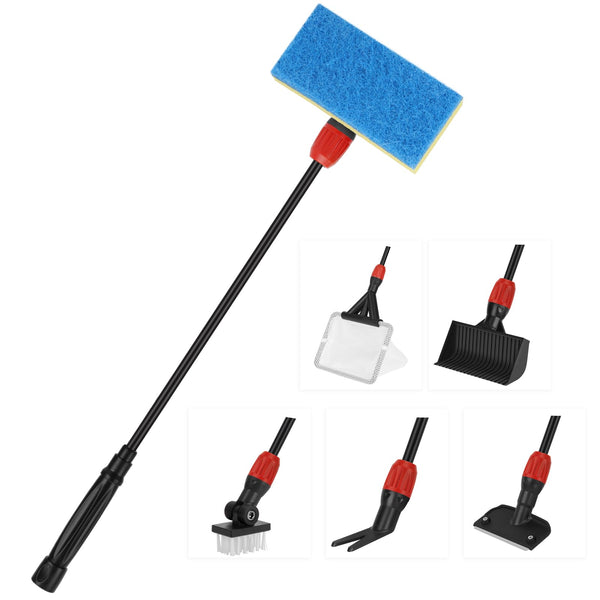
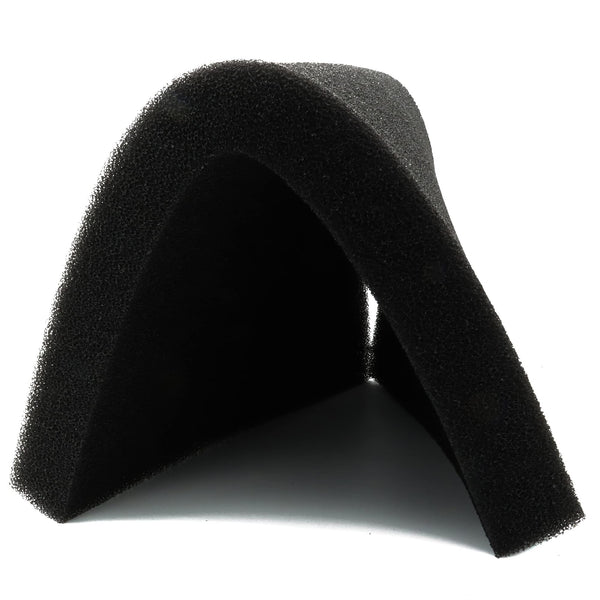
Scrape the glass before each water change so the loosened algae is siphoned out with the old water. Magnetic cleaners and long-handled blades from our algae scrapers range do the job; use a plastic blade on acrylic tanks, as metal will scratch. Twist hair algae round an old toothbrush and lift it out. Rinse clogged sponges in a bucket of tank water, and swap worn ones for new pieces from our filter sponges and pads a little at a time rather than all at once.
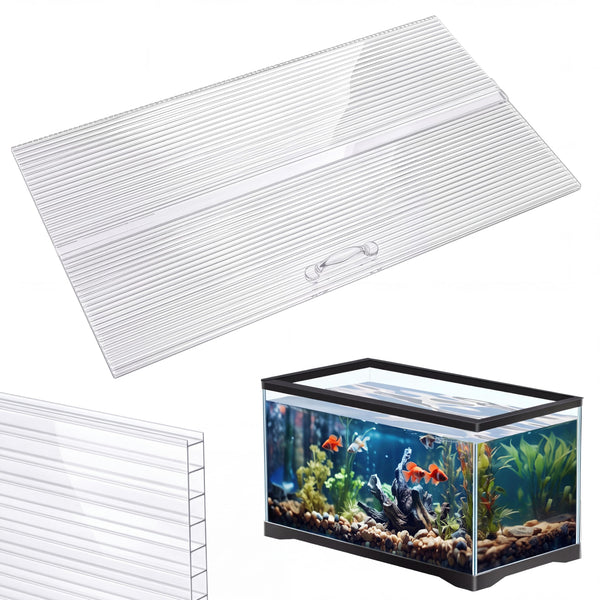
Fast-growing live plants compete with algae for the same nutrients, so a few vigorous stems can make a real difference. A fitted lid also helps: models from our aquarium hoods keep light where it is wanted, cut evaporation and stop lively fish from jumping. Chemical algae removers are worth avoiding. Large amounts of algae dying at once use up oxygen, some products affect plants and invertebrates, and none of them changes the conditions that let the algae grow.
Snails that hitch a ride
Bladder, ramshorn and trumpet snails usually arrive as jelly-like egg clusters on new plants. In small numbers they are harmless and even helpful, eating leftover food and turning over sand. A population explosion simply means there is more food than the fish are eating. Feed less, siphon the gravel more often and remove snails by hand. A slice of blanched courgette or lettuce left in the tank overnight gathers dozens for easy removal in the morning. Rinse and inspect new plants before planting them. Chemical snail products cannot tell pest snails from ornamental snails or shrimp, and dead snails hidden in the gravel quickly pollute the water.
Garden ponds through the year
Green water is common in spring as the sun strengthens before pond plants have grown. It usually clears as lilies and other plants spread across the surface and take up nutrients, so patience and shade work better than emptying the pond, which removes the helpful bacteria. Blanketweed can be wound round a rough stick and lifted out; leave it on the edge overnight so small creatures can crawl back. Many pond keepers float barley straw in spring, though results vary from pond to pond.
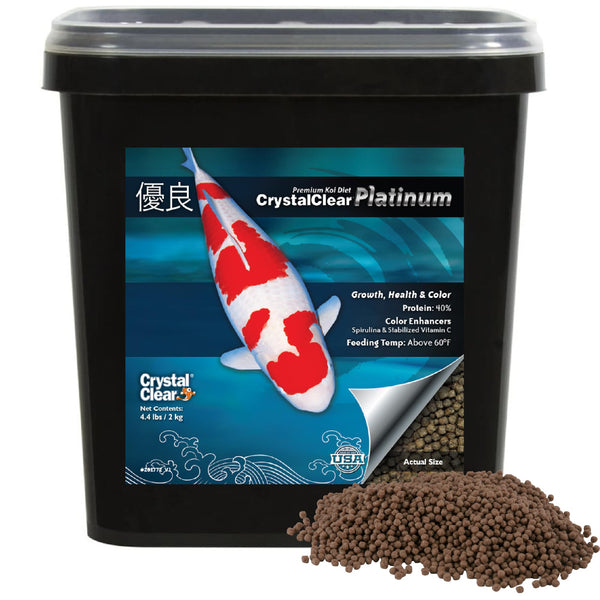
Fish need far less food when the water is cold. A floating pond thermometer helps you judge it: feed sparingly as temperatures fall in autumn and stop altogether in deep winter, starting again gently in spring. Our pond fish food range includes lighter foods that suit cooler months. When the surface freezes, never hit the ice, because the pressure waves distress fish; stand a pan of hot water on it to melt a hole so gases can escape. In hot weather evaporation can lower the level surprisingly quickly, so allow for that before looking for a leak in the liner.
Herons usually visit early in the morning and can empty a small pond. Netting stretched just above the surface is the most dependable protection, and caves or lengths of pipe give fish somewhere to hide. Some owners find a decoy heron helps if it is moved every few days, while others see little effect. On warm, still evenings, fish gasping at the surface usually point to low oxygen; a fountain or air pump helps, and if fish look unwell a vet with fish experience can advise.
Quick checklist
- Put tank lights on a timer and keep the tank out of direct sun.
- Test nitrate and phosphate if algae keeps coming back.
- Scrape glass before each water change, then siphon.
- Feed less and remove pest snails by hand.
- Let pond plants shade the surface rather than draining the pond.
- Melt, never smash, a hole in pond ice, and net the pond against herons.
Frequently asked questions
How long should aquarium lights be on each day?
Around eight hours suits most community tanks and is a good place to start. If algae keeps building up, trim the period a little at a time and keep the tank away from direct sunlight. A timer makes the routine consistent even when you are away.
Are pest snails harmful to fish?
Usually not. They tend to eat leftover food and decaying leaves. A sudden boom simply shows there is spare food in the tank, so feeding less and siphoning the gravel brings numbers down without putting anything into the water.
Why has my pond turned green?
Green water is caused by tiny free-floating algae that thrive in spring sunshine before pond plants have grown. It usually settles as plants cover more of the surface. Avoid emptying the pond, as that removes the bacteria that keep the water stable.
Should I feed pond fish in winter?
Pond fish slow right down in cold water and need little or no food in deep winter. Feed sparingly as the water cools in autumn, stop when it is very cold, and restart with small amounts of an easily digested food once spring warms the water.
Where to go next
If your fish themselves seem off colour, our guide to signs of illness in aquarium fish explains what to look for and when to get help. For a fresh start on the décor side, see aquascaping a freshwater tank. Browse the full fish and aquatics department, or use shop by pet to find kit for other animals in your home.