Keeping cage birds well: mites, bathing and a varied diet

Short answer: birds hide illness, so learn what normal looks like for yours. Clean perches and cage joints regularly and check for red mite at night. Offer shallow baths or a fine mist of plain water, and build the diet out beyond seed with pellets and fresh vegetables. A bird that is fluffed up, sleepy or sitting on the cage floor needs an avian vet promptly.
In the wild, a bird that looks weak attracts predators, so pet birds are skilled at seeming fine until they are quite poorly. That makes daily observation the most valuable thing you can do. This guide covers the subtle signs, the mites and lice that hide in cages, bathing, a balanced diet and a few hazards in the average British home.
The quiet signs of a poorly bird
- Feathers fluffed up for long periods, or sleeping during the day on both feet.
- The tail bobbing with each breath, or breathing with an open beak at rest.
- Droppings that change colour, become watery or stop.
- Sitting on the cage floor, or not eating and drinking.
- Crusty, honeycomb-like growth on the beak, cere, legs or around the eyes.
- Feather loss, plucking or a sharp, prominent breastbone.
Weighing your bird every week on digital kitchen scales with a perch attached gives you an early warning, because weight often falls before anything else shows. Note the figure in grams.
Mites and lice: where they hide
Red mite lives in cracks and crevices by day and creeps out at night to feed, which is why birds can seem restless after dark. To check, drape a white cloth over part of the cage overnight and look for tiny red or grey specks on it in the morning, or run a white tissue along perch ends and cage joints. Scaly face mite, seen mostly in budgies, causes the crusty growth described above and needs a vet’s attention rather than home care. Products sold for poultry are not necessarily suitable for small cage birds, so ask your vet before using anything on a bird or in its cage.
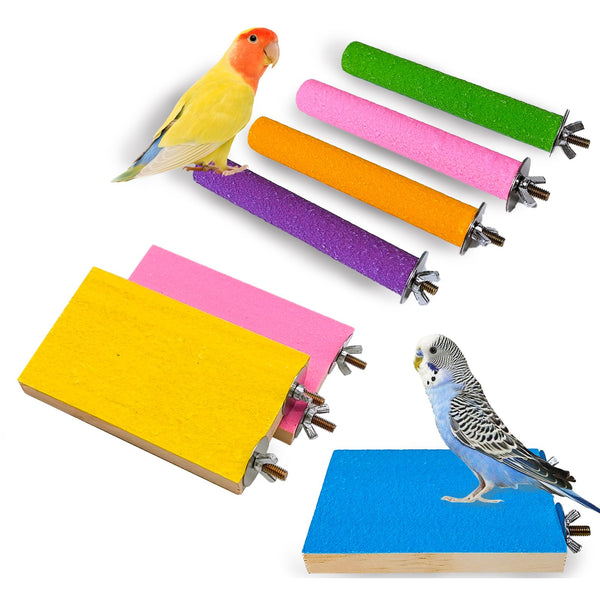
Good housekeeping makes mites far less likely to settle. Scrub perches regularly and replace worn wooden ones from our bird perches range, since cracked wood gives mites a hiding place. Change cage-floor paper or liners every few days; our bird cage covers and liners include washable and disposable options, and a cover can also help a bird settle at night.
Bath time
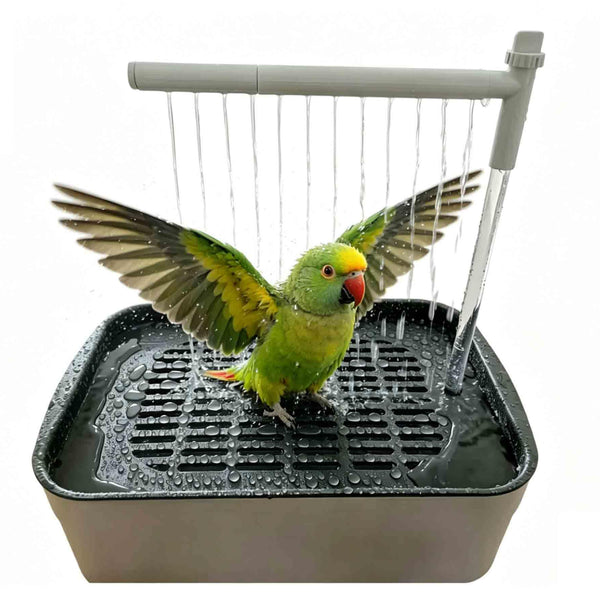
Most cage birds bathe enthusiastically, and it keeps feathers in good order. Offer a shallow dish of lukewarm water a few times a week, ideally in the morning so plumage is dry before night. A clip-on bath from our bird baths keeps splashes inside the cage. Larger parrots often prefer a gentle mist from a clean spray bottle used only for them. Plain water is all that is needed: no soap, oils or additives. Keep the room warm and free from draughts until your bird has dried off.
Building a varied diet
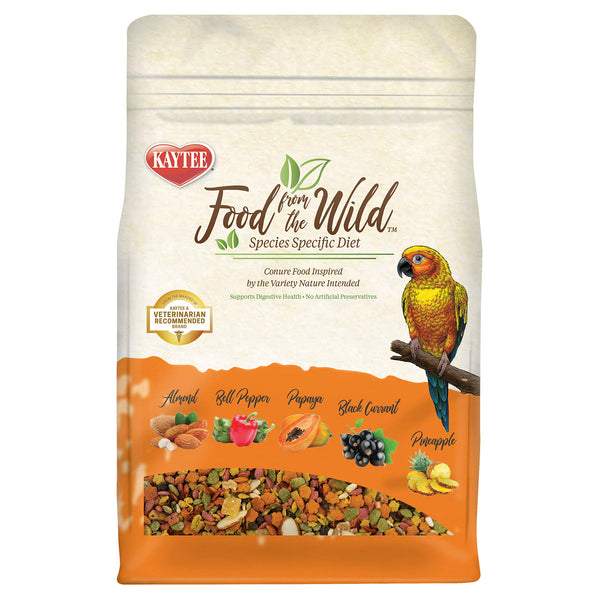
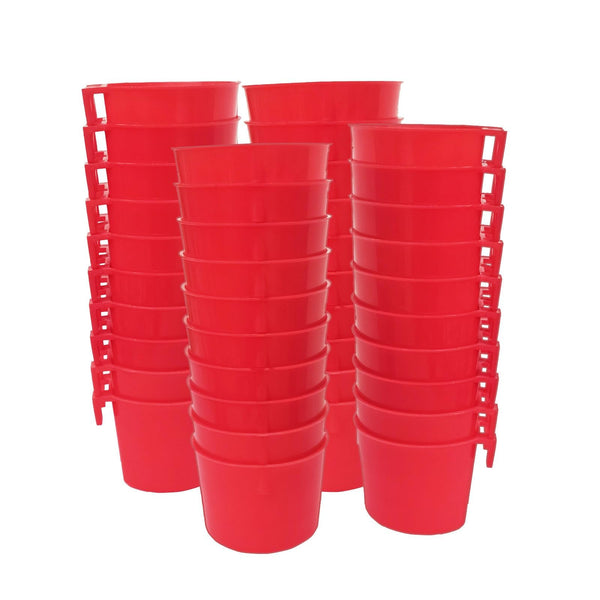
A seed-only diet is high in fat and short of several nutrients, vitamin A in particular. Pellets made for your species can be mixed in gradually over a few weeks, alongside daily fresh vegetables such as leafy greens, carrot, pepper and broccoli, with a little fruit as an occasional extra. Budgies and canaries appreciate a cuttlefish bone as a source of calcium. Never offer avocado, chocolate, caffeine or salty and sugary human food. Our bird food range covers seed mixes, pellets and treats.
Seed husks look a lot like seed, so blow across the dish each day to check it is not actually empty. Wash dishes and drinkers daily; our bird feeders include hooded and easy-clean designs. Foraging toys from our bird toys range turn part of the daily ration into an activity, which suits clever, busy birds.
Hazards around the house
Non-stick pans can give off fumes when overheated that are dangerous to birds within minutes, so keep birds well away from the kitchen. Aerosols, scented candles, cigarette smoke and fresh paint should also stay out of their room. Close windows and switch off ceiling fans before out-of-cage time, and never leave birds alone with cats or dogs, however friendly they seem.
When to see an avian vet
Not every practice sees birds, so find one with avian experience before you need it. A bird sitting on the cage floor, not eating, bleeding or struggling to breathe is an emergency. While you arrange a visit, keep it warm and quiet in a small carrier lined with a towel, with food and water at floor level. No droppings, or a sudden weight loss, needs a vet the same day; book within a day or two for crusty growths, persistent feather loss or a change in the look of droppings.
Quick checklist
- Look at your bird closely every day and weigh it weekly.
- Check for red mite with a white cloth overnight once a month.
- Scrub perches and change liners regularly.
- Offer plain-water baths a few times a week.
- Add pellets and fresh vegetables alongside seed.
- Keep birds away from kitchen fumes and aerosols.
Frequently asked questions
How can I tell if my bird has mites?
Restlessness at night, scratching, feather damage and tiny red or grey specks on a white cloth left over the cage overnight are common clues. Crusty growth on the beak or legs suggests scaly face mite. In each case ask an avian vet before using any product.
Do budgies need baths?
Most budgies enjoy bathing and it helps keep their feathers clean and supple. Offer a shallow dish of lukewarm plain water or a clip-on bath a few times a week, in a warm room, and remove it once your bird has finished.
Is a seed-only diet enough for a budgie?
Seed alone is high in fat and lacks several nutrients. Most avian vets suggest moving gradually towards a mix of species-specific pellets, fresh vegetables and a smaller amount of seed, with a cuttlefish bone for calcium.
What should I do if my bird is fluffed up and sleepy?
Regard it as urgent, because birds often hide illness until it is advanced. Keep the bird warm and quiet in a small carrier, put food and water within easy reach, and contact a vet who sees birds the same day.
Where to go next
For a cleaning routine that covers cages as well as hutches and kennels, read our guide to cleaning and disinfecting kennels, hutches and cages. You will find cages, perches, food and toys in our bird department, and shop by pet brings together every animal we stock for.