Rabbit and guinea pig teeth, diet and appetite: a daily check

Short answer: rabbit and guinea pig teeth grow all their lives and are worn down by long periods of chewing hay and grass. Make good hay the bulk of the diet, add leafy greens, and keep pellets or nuggets to a small measured portion. Guinea pigs also need vitamin C every day. Watch for dribbling, dropped food and weight loss, and treat a pet that stops eating or stops passing droppings as an emergency.
Rabbits and guinea pigs are grazers, built to spend many hours a day chewing tough, fibrous plants. Their teeth and their digestive systems both depend on it. When the diet drifts towards soft, rich food, problems with teeth and guts tend to follow. This guide explains the link, the daily feeding pattern that suits most pets, the warning signs and what to do if appetite drops.
Teeth that never stop growing
All of a rabbit’s or guinea pig’s teeth are open-rooted, which means they keep growing throughout life. The front incisors are the ones you can see, but the cheek teeth further back matter just as much and are hidden by the cheeks. Chewing hay with a side-to-side grinding motion wears the cheek teeth evenly. Without enough of that work, they can develop sharp spurs that cut the tongue and cheeks, or roots that push into the jaw and towards the eyes. Some animals inherit a poor bite, and these need regular dental checks for life.
A diet built around hay
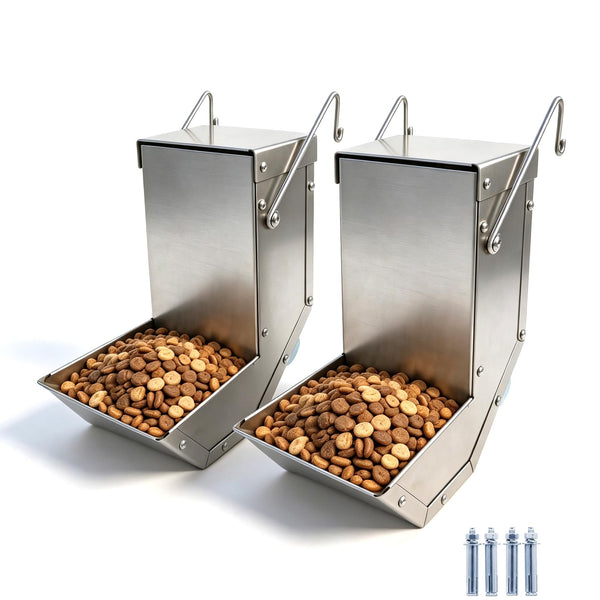
Good-quality hay or fresh grass should make up most of what your pets eat, and it should be available at all times. A simple rule is that the daily hay pile should be at least as big as the animal itself. Leafy greens and herbs, such as spring greens, kale, coriander, parsley and dandelion leaves, add variety and moisture. Pellets or nuggets should be a small, measured portion rather than a full bowl. Muesli-style mixes are worth avoiding, because pets pick out the sweet pieces and leave the rest, and welfare groups advise against them. Fruit and carrots are high in sugar, so keep them as occasional treats. Our rabbit food range includes hay and single-component nuggets, and hay racks and bowls from our rabbit feeding range help keep hay clean and off the floor.
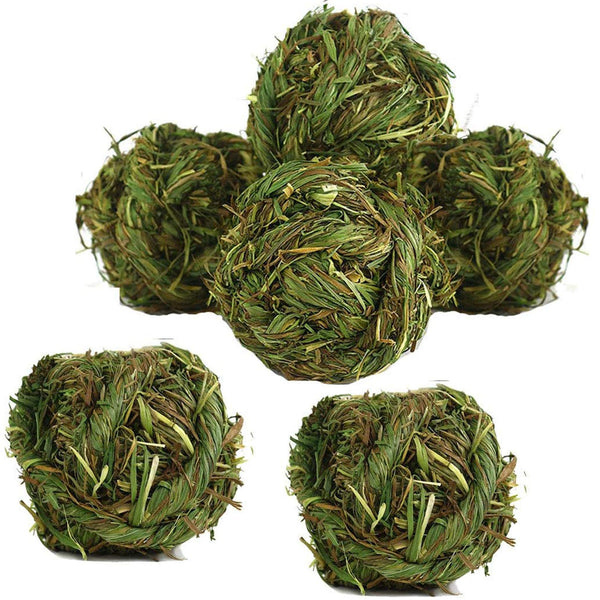
Rabbits produce two kinds of droppings: the round, dry ones you see and soft, shiny caecotrophs, usually eaten straight from the bottom, which supply nutrients. A rabbit that leaves caecotrophs uneaten may be overweight, stiff or eating too much rich food. Give safe things to gnaw too: willow, apple wood and hay-based toys from our rabbit toys range keep busy mouths occupied.
Guinea pigs and vitamin C
Like people, guinea pigs cannot make their own vitamin C and must get it from food every day. A shortage can cause sore joints, poor coat, weight loss and gum problems. Feed a cup or so of fresh vegetables daily, including good sources such as red and green peppers, kale and broccoli, together with guinea pig nuggets made for the species. Vitamin C added to water breaks down quickly and makes it harder to tell how much your pet is drinking, so food is the better route; ask your vet if you are unsure. Our small animal food and small animal feeding ranges cover nuggets, hay feeders and bowls.
Changing the diet safely
Any change should happen gradually over a couple of weeks, mixing a little more of the new food each day, because sudden switches upset the gut bacteria. Introduce new greens one at a time in small amounts. Wash vegetables, avoid anything wilted or mouldy, and never feed lawnmower clippings, which ferment quickly. Fresh water should always be available from both a bottle and a bowl, as many pets drink more from a bowl.
Warning signs of tooth and gut trouble
- Dribbling, a wet chin or matted fur on the front legs from wiping the mouth.
- Dropping food, chewing on one side or choosing only soft foods.
- Weight loss, or a coat that looks unkempt because grooming has become uncomfortable.
- Runny eyes or a lump along the jaw.
- Smaller, fewer or misshapen droppings, or none at all.
- Hunched posture, teeth grinding or sitting very still.
When to call the vet
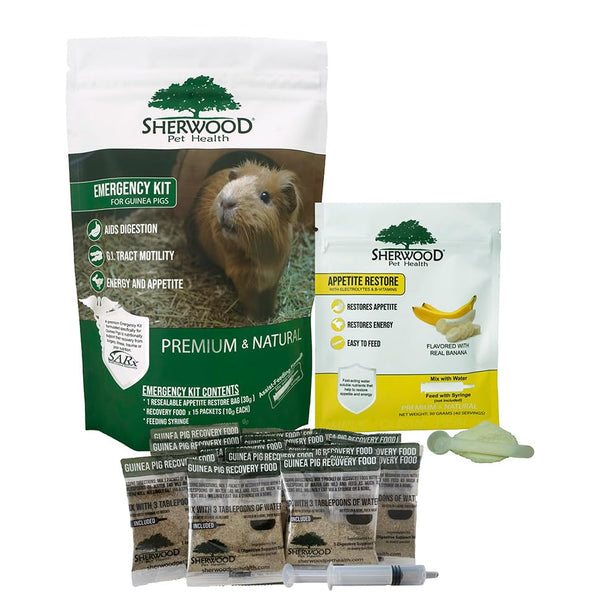
A rabbit or guinea pig that stops eating, or stops passing droppings, needs a vet the same day, even if it seems otherwise well. The gut can slow down very quickly and the situation can become serious within hours. If your pet is not eating, your vet may supply a recovery food designed to be syringe-fed and show you how to give it; only do this under their guidance. Book a routine check at least once a year, and every few months for pets with a history of dental trouble, so the cheek teeth can be examined properly.
Quick checklist
- Keep hay available at all times, in a pile at least as big as your pet.
- Give leafy greens daily and keep nuggets to a small measured portion.
- Feed guinea pigs vegetables rich in vitamin C every day.
- Change diets slowly over a fortnight.
- Check droppings every morning and weigh your pets monthly.
- Call the vet the same day if a pet stops eating or passing droppings.
Frequently asked questions
How much hay should a rabbit eat?
Hay should be available at all times and make up most of the diet. A useful guide is a daily pile at least as big as your rabbit. If a lot is left soiled, try a hay rack or offer smaller amounts more often rather than reducing the total.
Can guinea pigs and rabbits share the same food?
Not entirely. Both need plenty of hay and greens, but guinea pigs need vitamin C in their daily diet and should have nuggets made for them. Rabbit nuggets will not meet a guinea pig’s needs.
How do I know if my rabbit has a dental problem?
Watch for dribbling, a wet chin, dropping food, weight loss, runny eyes or a lump along the jaw. Cheek teeth are hard to see without the right equipment, so ask your vet to check if you notice any of these.
What should I do if my rabbit has stopped eating?
Contact a vet the same day, even if your rabbit seems otherwise bright. A rabbit that is not eating or passing droppings can become seriously ill within hours, and early help makes a real difference.
Where to go next
A clean back end depends on good teeth and a high-fibre diet, so our guide to flystrike and coat checks is closely linked. For neutering and vaccinations, see vaccinations for dogs, cats and rabbits. Hay racks, nuggets and chews are gathered in our rabbits and guinea pigs department; for other species, try shop by pet.